
When people see a photo of a family receiving food or support, it often looks simple. A smile. A package. A moment of gratitude.
But what most people never see is everything that happens before that moment.
Community outreach is not just about giving — it is about reaching. And reaching families, especially those who are underserved or isolated, is often the hardest part of the work.
Behind every delivery is a story of planning, walking, carrying, waiting, choosing, and sometimes making very difficult decisions. This is the unseen side of nonprofit work — the part that doesn’t always fit into a photo, but defines the impact.
Outreach Starts Long Before the First Delivery
Community outreach doesn’t begin on distribution day. It begins weeks — sometimes months — earlier.
Before a single package is prepared, teams and volunteers ask important questions:
-
Which communities are most in need right now?
-
Who has been missed by existing support systems?
-
How accessible is the location?
-
Who do we trust on the ground?
-
What resources are realistically available?
These decisions matter because resources are always limited. Outreach is not about helping everyone at once — it’s about helping the right people at the right time with what is actually possible.
Choosing Locations Is Not Random
One of the biggest misconceptions is that nonprofits simply “choose” a place and go.
In reality, locations are chosen based on:
-
Community needs
-
Volunteer availability
-
Safety and accessibility
-
Local relationships and trust
-
Seasonal risks (storms, floods, landslides)
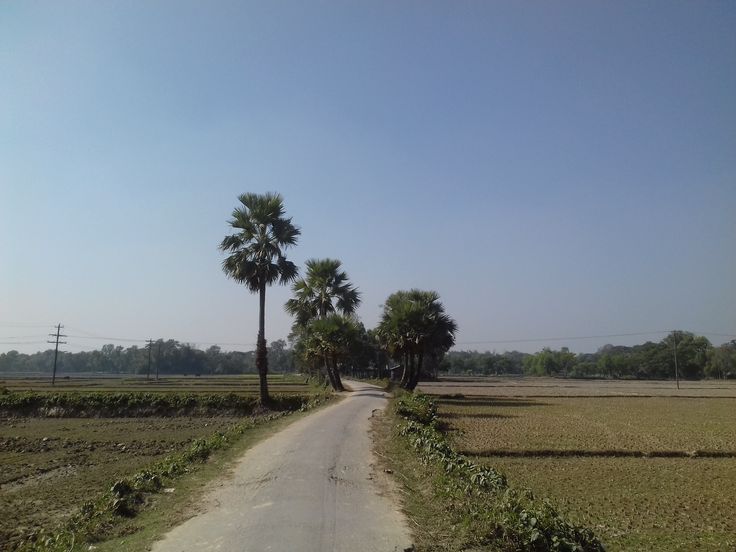
Some communities are accessible only by boat. Others require long walks through narrow alleys or uphill paths where vehicles cannot go. In many cases, outreach is possible only because a trusted volunteer lives nearby or knows the area well.
Without local connection, help often never arrives.
Identifying Families in Need
Reaching the right families is one of the most sensitive parts of outreach.
Many households:
-
Have no phones or internet
-
Have no formal address
-
Are not registered in official systems
-
Avoid asking for help out of pride or fear
This means outreach teams rely heavily on community knowledge — neighbors, local volunteers, informal leaders, and trusted contacts.
The goal is not to judge, but to understand:
-
Who is struggling the most right now?
-
Who has children, elderly members, or disabilities?
-
Who has lost income or access to food?
-
Who is at immediate risk?
This process requires patience, humility, and respect.
Logistics: The Hidden Work That Makes Outreach Possible
Logistics may not be visible, but they are essential.
Before outreach day, teams coordinate:
-
Food sourcing and preparation
-
Packing and labeling
-
Transportation planning
-
Backup plans for weather or delays
-
Safety considerations
In some areas, supplies are transported by:
-
Tricycles or motorbikes
-
Small boats
-
Hand-carrying over long distances
There are moments when vehicles must stop and volunteers continue on foot, carrying packages uphill or through uneven terrain. This effort is rarely seen — but without it, families would go without support.
The Role of Volunteers on the Ground
Volunteers are the heart of community outreach.
They do more than deliver packages. They:
-
Navigate difficult terrain
-
Knock on doors
-
Listen to stories
-
Reassure families
-
Observe needs that aren’t spoken
Often, volunteers are members of the same or neighboring communities. They understand the realities on the ground — the risks, the seasons, the unspoken struggles.
Their presence turns aid into connection.
Outreach During Crisis and Uncertainty
Crisis changes everything.
During pandemics, natural disasters, or severe weather:
-
Transportation stops
-
Markets close
-
Electricity goes out
-
Communication breaks down
In these moments, outreach becomes more complex and more urgent. Teams must adapt quickly, often working with incomplete information and limited access.
Sometimes help reaches only a few families, even when many more are in need. These moments are some of the hardest — knowing the need is greater than the resources available.
But even then, outreach matters. Because for the families reached, it can mean survival.
The Emotional Weight of Decision-Making
Behind the scenes, outreach also carries emotional weight.
Choosing who receives help is never easy. When there are hundreds of families in need and resources allow support for only a few, every decision feels heavy.
Nonprofit work requires:
-
Balancing compassion with realism
-
Making choices that are fair, even when they are painful
-
Accepting limitations while continuing to show up
These are decisions that volunteers and organizers carry long after outreach day ends.
Why Outreach Is About More Than Supplies
At its core, community outreach is not just about food, cash, or goods.
It is about:
-
Being present
-
Acknowledging hardship
-
Restoring dignity
-
Building trust
Sometimes, the most meaningful moment is not the package itself — but the conversation at the door, the reassurance that someone cares, or the simple act of being remembered.

The Power of Consistency
One visit can help.
Consistent outreach builds stability.
When families see the same volunteers return, when support is delivered with care and respect, trust grows. Over time, outreach becomes a relationship — not a transaction.
This consistency is what allows nonprofits to:
-
Understand changing needs
-
Respond more effectively
-
Support communities beyond emergencies
Why Transparency Matters
Sharing what happens behind the scenes is not about seeking praise. It’s about transparency.
Donors, partners, and supporters deserve to understand:
-
How decisions are made
-
Where resources go
-
What challenges exist
-
Why some needs remain unmet
Transparency builds trust — and trust strengthens impact.
The Quiet Truth About Community Outreach
Most outreach work happens quietly.
There are no stages, no applause, no guarantees. Just people showing up, doing the work, and carrying responsibility with care.
Behind every story of impact is a network of effort — volunteers walking, carrying, coordinating, choosing, and caring.
This is how help really reaches families.
Not through shortcuts.
Not through assumptions.
But through presence, persistence, and compassion — one community at a time.
How You Can Support Outreach Efforts
You don’t need to be on the front lines to be part of this work.
You can:
-
Volunteer your time or skills
-
Support logistics and planning
-
Help tell these stories
-
Partner with outreach efforts
-
Contribute resources consistently
Behind every successful outreach is a community of people who chose to care — even when the work was unseen.
And that choice is what makes real impact possible.