
When a family receives food, cash assistance, or basic supplies, the impact is immediate. It eases anxiety, restores dignity, and helps them get through today. In moments of crisis, this kind of support is not optional — it is essential. Survival comes first, and without stability, there is no room to plan for the future.
Immediate relief creates that first moment of grounding. It allows families to pause, regain control, and step out of constant emergency mode. Without this foundation, long-term solutions simply cannot take root.
Why Immediate Relief Is the First Step
Nonprofit work often begins with urgent response, because unmet basic needs create cascading problems. Immediate relief matters because it:
- stabilizes families during moments of crisis
- prevents deeper harm and long-term damage
- restores a sense of dignity and security
- creates space for decision-making and recovery
Relief is not the end goal — it is the doorway that makes everything else possible.
Once basic needs are met, something important shifts. Families can begin to think beyond the next meal. They can focus on work, care for their children, and regain confidence in their ability to move forward. This is where nonprofit work transitions from emergency response to long-term support.
That transition rarely happens through one large intervention. Instead, it grows from small, thoughtful actions repeated over time.
How Small Actions Create Lasting Change
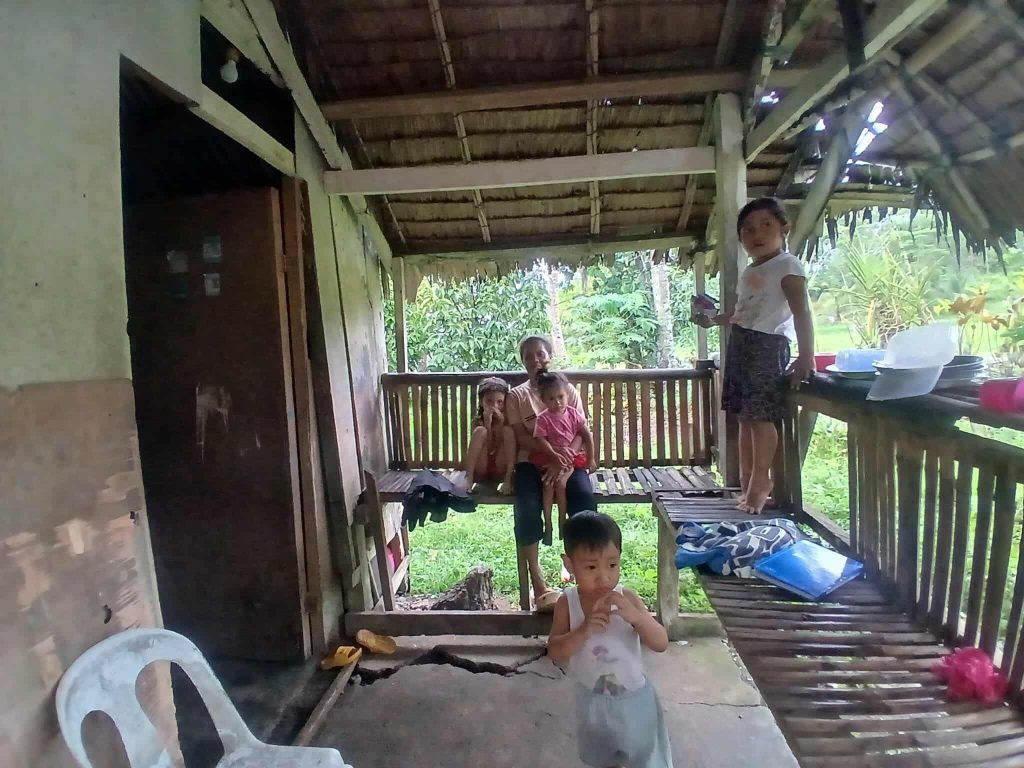
Big change is often built from modest, consistent efforts. These actions may look simple on the surface, but their impact compounds over time:
- a food package delivered during a difficult season
- financial support when income suddenly disappears
- solar lights provided during extended power outages
- volunteers returning again and again, not just once
Each action reinforces stability. Together, they build momentum.
Consistency is what transforms assistance into trust. When families see familiar faces and reliable support, they begin to believe that they are not alone. Trust opens the door to resilience, and resilience allows people to invest in their future — even in small ways.
As stability grows, support can begin to evolve. The focus shifts from survival to opportunity, from immediate needs to longer-term possibilities.
From Relief to Empowerment
Long-term hope is built when support adapts to changing circumstances. Nonprofit work moves forward by:
- supporting small income-generating opportunities
- strengthening local networks and relationships
- encouraging self-sufficiency at a realistic pace
- listening closely to what communities actually need
This process cannot be rushed. Meaningful change takes time, patience, and respect for local realities.
Lasting impact is never created in isolation. Communities themselves are central to long-term progress. When families, volunteers, and local leaders are involved, change becomes sustainable rather than temporary.
Hope, in this context, is practical. It shapes how people make decisions, how they plan, and how they respond to challenges. Families who believe improvement is possible are more likely to take steps — however small — toward a better future.
Nonprofit work is a journey, not a single moment. It begins with immediate relief, continues through consistency and trust, and grows into resilience and long-term hope. Small actions, repeated with care and commitment, do not just help families survive today.
They change lives for the future.
How You Can Support Long-Term Impact
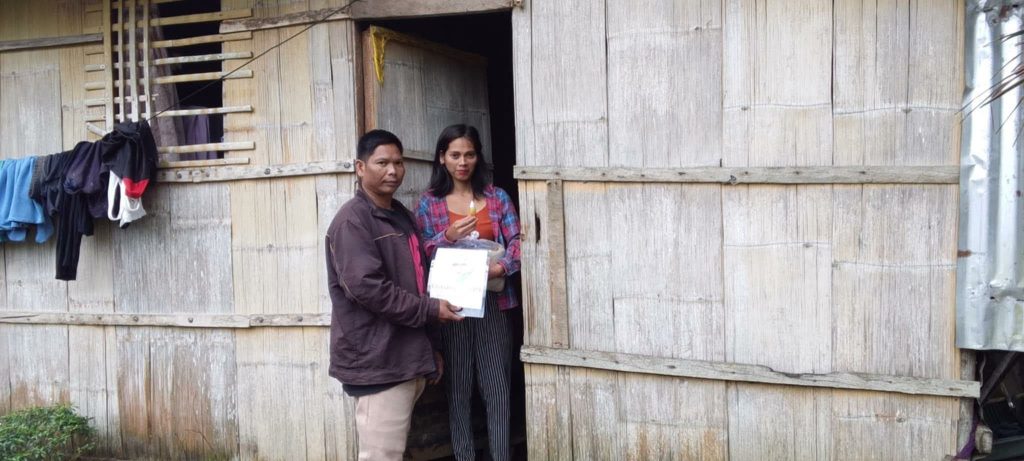
Everyone has a role to play in this journey. You can be part of lasting change by:
- supporting ongoing outreach efforts
- contributing consistently, not only in emergencies
- volunteering time, skills, or resources
- sharing stories that reflect real impact
Long-term hope is built together — one small, meaningful action at a time.