
Volunteering isn’t only about “having free time.” It’s about choosing to show up — for a family, a community, a person who is carrying more than they should have to carry alone.
At Colors of Life Outreach Ministry, we’ve seen something simple become powerful: a food package delivered on foot up a steep hill, a volunteer walking narrow alleys house to house, a boat ride to a community that has no grocery stores, no hospitals, and little access to support. Real impact often begins with one person saying: “I can help.”
If you’ve ever wanted to volunteer but weren’t sure where to start, this guide is for you. It will help you understand what volunteering really looks like, how to choose the right role, and how to make a meaningful difference — whether you live nearby or thousands of miles away.
What Does It Mean to “Make a Real Impact”?
Impact doesn’t always look big on day one. It looks like:
- A family receiving food when markets are closed and transportation is limited
- A mother feeling seen and supported during a difficult season
- A community receiving relief supplies before a storm or after a disaster
- A volunteer choosing dignity and respect over judgment and assumptions
- A donor or partner enabling support to reach people who otherwise would be missed
Real impact is measured in outcomes (what changed for a person or family), not just activity (what we did). And the truth is: many of the most important outcomes are human, not numeric — hope restored, stress reduced, dignity protected, and a sense of “we’re not alone.”
Why People Volunteer (And Why Your Reason Matters)
People volunteer for many reasons — all valid:
- You want to help families facing food insecurity
- You’ve been helped before and want to give back
- You want to teach your kids compassion by example
- You want community, purpose, and meaning
- You want to use your skills for something bigger than yourself
- You’ve seen injustice or need up close and you can’t ignore it
Your “why” matters because it keeps you consistent. Motivation can start emotional — but impact is built through commitment.
Step 1: Start With the Right Mindset
Before you volunteer, it’s helpful to adopt a mindset that protects the people you serve and makes your work more meaningful.
1) Lead with dignity
The people we help are not “cases” or “projects.” They are human beings with stories, families, and strength.
2) Be curious, not judgmental
Many communities face barriers that aren’t visible at first glance: no access to transportation, lack of electricity, limited education opportunities, seasonal storms, unstable housing, job scarcity, or health issues.
3) Be consistent
One visit can help. Consistent support builds trust and stability.
4) Stay humble
Volunteering changes you, too. Often, the greatest lesson is gratitude.
Step 2: Choose Your Volunteer Path
There isn’t one “type” of volunteer. There are many ways to serve. Here are common volunteer paths — and how each one makes a real difference.
A) Community Outreach Volunteer (In-Person Support)
What you do:
- Help distribute food packages and essential goods
- Support house-to-house deliveries in hard-to-reach areas
- Assist with packing, organizing, and transporting items
- Help identify families in need (through trusted community networks)
Who this is for:
- People who live near the outreach area
- People who can commit to specific outreach days
- People who are comfortable working in community settings
Real impact you create:
- You help ensure families receive support directly and safely
- You reduce barriers caused by distance, transportation, or isolation
- You bring human connection and care — not just supplies
B) Logistics & Operations Volunteer (Behind-the-Scenes Support)
Many people think volunteering means being “on the front lines.” But behind every outreach day is a lot of work that determines whether help reaches families efficiently.
What you do:
- Pack food and supplies
- Organize inventories
- Coordinate drop-off points
- Track distribution lists
- Support scheduling and volunteer coordination
Who this is for:
- People who love organization
- People who want to help but prefer behind-the-scenes roles
- People who can manage details and follow processes
Real impact you create:
- You make outreach smoother, faster, and more reliable
- You reduce waste and improve fairness
- You help support reach more families
C) Remote Volunteer (Help From Anywhere)
You don’t need to be physically present to volunteer. Many volunteers help from different cities, states, or countries.
What you do:
- Help write stories and updates for the website
- Assist with social media posts
- Translate content
- Create simple graphics
- Help email or message outreach partners
- Support admin tasks and coordination
Who this is for:
- People with limited time but consistent availability
- People who want to serve but don’t live nearby
- People who have professional skills they want to contribute
Real impact you create:
- You help build trust and awareness, which leads to donations and partnerships
- You help communities receive long-term support through stronger communication
- You amplify the voices of the people served
D) Skills-Based Volunteer (Professional Expertise)
This is one of the highest-impact volunteer types: using what you already do professionally to strengthen the nonprofit’s ability to serve.
Skills that make a big difference:
- Content writing & storytelling
- Photography & video editing
- Design (flyers, posters, simple website assets)
- Fundraising support
- Grant writing (if applicable)
- Project management
- Accounting / bookkeeping support
- Legal review (policies, permissions, disclaimers)
- IT support (website, email, basic tools)
Real impact you create:
- Your expertise saves time and money
- Your work improves clarity, trust, and efficiency
- You help the organization grow sustainably
E) Partner Volunteer (Community Connector)
Some of the best volunteers are connectors. They help build bridges:
What you do:
- Introduce the nonprofit to community leaders or churches
- Connect local businesses to donation opportunities
- Help coordinate volunteer days with groups
- Build partnerships for food, supplies, or services
Real impact you create:
- You expand capacity
- You open doors to new resources
- You help the mission grow beyond what one team can do alone
Step 3: Decide How Much Time You Can Commit
A common reason people don’t volunteer is fear of overcommitting. The solution is simple: choose a commitment level that fits your real life.
Here are realistic options:
Option 1: One-Time Volunteer (1–2 hours)
Great for:
- Trying it out
- Bringing a friend
- Supporting a specific outreach event
Option 2: Monthly Volunteer (2–4 hours/month)
Great for:
- Busy professionals
- People who want consistency without burnout
Option 3: Weekly Volunteer (1–3 hours/week)
Great for:
- People who want to build deeper relationships
- People with stable schedules
Option 4: Project-Based Volunteer (flexible)
Great for:
- Designers, writers, admins, and planners
- People who work best with deadlines and goals
Volunteering should be sustainable. Sustainable volunteering creates sustainable impact.
Step 4: Learn the Principles of Respectful, Ethical Volunteering
To truly make a positive impact, it helps to follow basic guidelines.
1) Ask before taking photos
If you are photographing families or recipients, always ask permission — and respect a “no.” When possible, use consent forms and avoid sharing sensitive details publicly.
2) Protect dignity
Avoid captions or stories that shame or label people. Focus on support, resilience, and community.
3) Don’t promise what you can’t deliver
It’s better to say: “We will do our best,” than to make promises that depend on resources.
4) Prioritize safety
Follow local guidance, weather conditions, and safe routes. Safety always comes first.
5) Be culturally respectful
Different communities have different values and needs. Respect local leaders and learn before assuming.
Step 5: What Volunteering Looks Like in Real Life (Examples)
Here are real, grounded examples of volunteer impact:
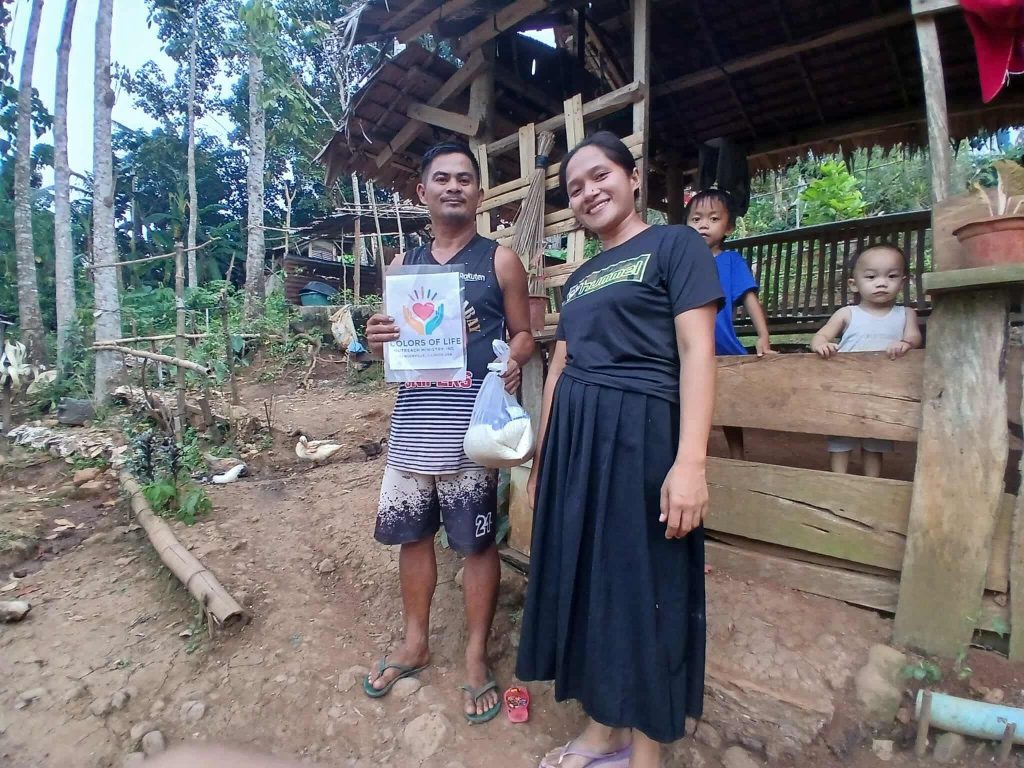
Example 1: Walking to deliver supplies
Sometimes vehicles can’t reach families. Volunteers travel as far as possible by tricycle or bike — then walk uphill carrying packages by hand.
Impact: families in remote or hard-to-access areas still receive support.
Example 2: Serving during typhoon season
In communities accessible only by boat, storms can cut off supplies for days. Volunteers help prepare and deliver essentials before and after severe weather.
Impact: families don’t go without food or light during extended outages.
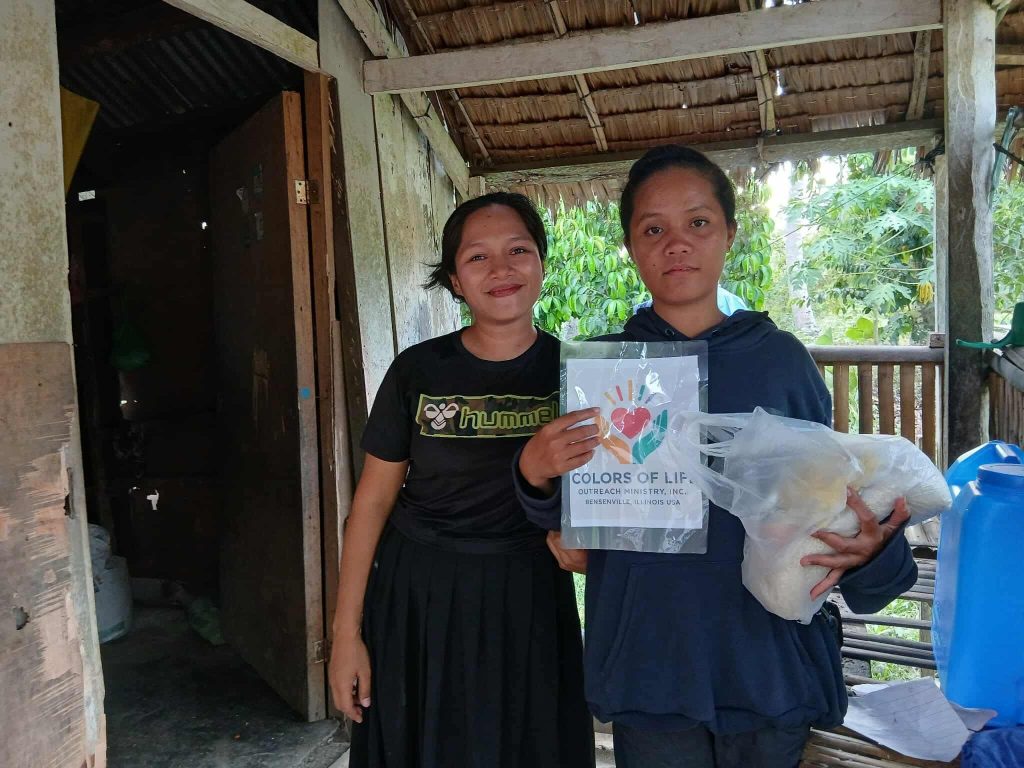
Example 3: Reaching families without communication tools
Some households have no phones, no internet, and no electricity. Volunteers help identify these families through community networks and ensure they’re included.
Impact: support reaches those who are usually missed by systems and programs.
Step 6: How to Get Started (A Simple Checklist)
If you want to become a volunteer, here’s a clear starting point:
1) Choose your volunteer type
In-person, remote, skills-based, logistics, or connector
2) Choose your time commitment
One-time, monthly, weekly, or project-based
3) Share what you can offer
Time, skills, language, transportation, availability
4) Get onboarded
Basic guidelines, expectations, and communication channel
5) Start small and stay consistent
Impact grows with repetition
What If You Can’t Volunteer in Person?
You can still make a real impact.
Here are a few meaningful ways to help from anywhere:
- Share a story from the nonprofit on social media
- Help write or edit a “Happy Story” for the website
- Support with translations (English ↔ local language)
- Create simple designs for outreach and updates
- Connect the nonprofit to a partner who can help
- Make a small recurring donation (even $5–$20/month helps plan outreach)
The point is not “how big” your help is. The point is that help becomes consistent — and consistent help changes lives.
A Final Note: You Don’t Have to Be Perfect to Start
Many people hesitate because they worry they don’t have enough time, enough money, enough skills, or enough experience.
But volunteering doesn’t require perfection — it requires presence.
When you give your time, your energy, or your abilities with respect and compassion, you become part of something bigger: a chain of support that reaches families who otherwise would be alone.
If you’re ready to make a real impact, we would be honored to have you as part of this mission.
Become a Volunteer. Become a Partner. Become a Part of the Story.